


Have you looked in the mirror lately and noticed your smile shifting? Maybe your jaw feels tight in the morning, or chewing just isn’t as easy as it used to be. You’re not imagining things, and you’re definitely not alone.
The signs you may need orthodontic treatment often show up in small ways: crooked teeth, bite problems, jaw tension, trouble chewing, speech changes, mouth breathing, or frequent headaches. If any of that sounds familiar, it’s worth talking to an orthodontist. A professional exam is the only way to know for sure.
Orthodontic care isn’t just for teenagers. Kids, teens, and adults all benefit from a straighter smile and a healthier bite. In this guide from Andrew Pedersen Orthodontics, we’ll walk you through 10 common signs that suggest it might be time for an evaluation, plus what to do next.
Let’s break it down.

Why Recognizing the Signs Early Matters
Orthodontic issues rarely fix themselves. In many cases, they get worse over time. What starts as mild crowding can lead to worn enamel, gum recession, or ongoing jaw tension down the road.
Misaligned teeth and bites can also affect more than just your smile. Bite problems are commonly linked to issues like TMJ-related headaches and jaw tension. Catching things early often means shorter, simpler treatment.
The American Association of Orthodontists recommends that every child have their first orthodontic evaluation by age 7. That doesn’t mean braces at 7. It means Dr. Pedersen can spot developing issues while a child’s jaw is still growing, which gives you more treatment options later.
For adults, the message is just as encouraging. It’s never too late to smile with confidence.
What Are the Visible Signs of Misaligned Teeth?
The most obvious signs are the ones you can see. Grab a mirror and take a close look at your smile.
Common visible signs include:
- Crowded or overlapping teeth that are tough to floss
- Noticeable gaps or spacing between teeth
- Teeth that appear rotated, tilted, or twisted
- Teeth that stick out or sit behind the others
Try the mirror test. Smile naturally, then look straight on. Are your top and bottom front teeth centered? Do any teeth twist or overlap? Crowding makes cleaning harder, which raises the risk of cavities and gum irritation over time.
Gaps aren’t just cosmetic either. Food can pack into open spaces, and shifting teeth may throw your bite off balance.
Bite Problems: Overbite, Underbite, Crossbite, and Open Bite
Bite issues (also called malocclusion) are one of the biggest reasons people seek orthodontic care. Here are the four main types.
| Bite Type | Description |
|---|---|
| Overbite | Upper front teeth extend too far over the lower teeth. A small overlap is normal, but a deep one can wear down enamel. |
| Underbite | Lower teeth sit in front of the upper teeth when you bite down. Can strain the jaw and change your facial profile. |
| Crossbite | Some upper teeth fit inside the lower teeth when the mouth closes. Can cause uneven wear and jaw shifting. |
| Open bite | Front teeth don’t touch when the back teeth are closed. Often affects chewing and speech. |
Check your bite at home. Close your mouth gently and look in the mirror. Do your top and bottom teeth meet evenly? If something feels off or looks unusual, it’s worth a professional look.
Functional Signs: Chewing, Speech, and Breathing Issues
Functional signs show up in how your mouth works, not just how it looks. When alignment is off, everyday activities like eating and talking take more effort than they should.
Watch for:
- Difficulty chewing or biting into food
- Frequently biting your cheeks or tongue by accident
- Speech issues like a lisp, whistling sounds, or trouble with certain letters
- Mouth breathing during the day or while sleeping
- Snoring or signs of sleep-disordered breathing
These issues often trace back to how your teeth and jaw fit together. In kids, mouth breathing and tongue posture can also affect how the jaw develops.
Pain-Related Signs: Jaw Tension, Headaches, and TMJ Symptoms
A misaligned bite puts extra stress on your jaw joints and the muscles around them. Over time, that stress shows up in ways you might not connect to your teeth.
Common signs include:
- Jaw clicking, popping, or locking when you open your mouth
- Frequent tension headaches or earaches
- Teeth grinding (bruxism), especially at night
- Chipped or flattened teeth from grinding
- Facial, neck, or shoulder tension linked to TMJ dysfunction
If you wake up with a sore jaw or notice your teeth look shorter than they used to, your bite may be part of the picture. An orthodontic exam can help figure out what’s really going on.

Signs in Children vs. Teens vs. Adults
Orthodontic needs look different at every stage of life. Here’s what to watch for.
Children (ages 6-10):
- Early or late loss of baby teeth
- Thumb sucking past age 5
- Mouth breathing or persistent snoring
- Jaw shifting to one side when biting
Teens:
- Crowding as permanent teeth come in
- Noticeable bite issues (overbite, underbite, crossbite)
- Difficulty cleaning between crowded teeth
- Self-consciousness about their smile
Adults:
- Teeth that have shifted over time (even after previous braces)
- Worn or chipped enamel
- Gum recession linked to misalignment
- Jaw tension or new headaches
Good news for grown-ups: modern treatment options like clear aligners and clear braces make adult care more discreet than ever. It really is never too late for a healthier smile.
What Happens If You Ignore These Signs?
Putting off treatment doesn’t just delay a straighter smile. It can lead to real oral health issues.
Untreated bite and alignment problems can cause:
- Higher risk of tooth decay and gum disease (crowded teeth are harder to clean)
- Accelerated enamel wear and tooth fractures
- Worsening TMJ symptoms and chronic jaw tension
- Shifting teeth that affect your bite and appearance
- More involved treatment later, which often means more time in treatment
Addressing the signs early gives you more options and usually a shorter treatment time.
When Should You See an Orthodontist?
If any of the signs above sound familiar, the best next step is simple: get an expert opinion.
Orthodontist vs. general dentist. Your family dentist is great for checkups and cleanings. An orthodontist has additional years of specialized training focused specifically on tooth movement, bite correction, and jaw development. Dr. Andrew Pedersen is a specialist orthodontist who has completed advanced training in orthodontics and dentofacial orthopedics beyond dental school.
What happens at your first free consultation?
- A friendly welcome and quick tour of our office
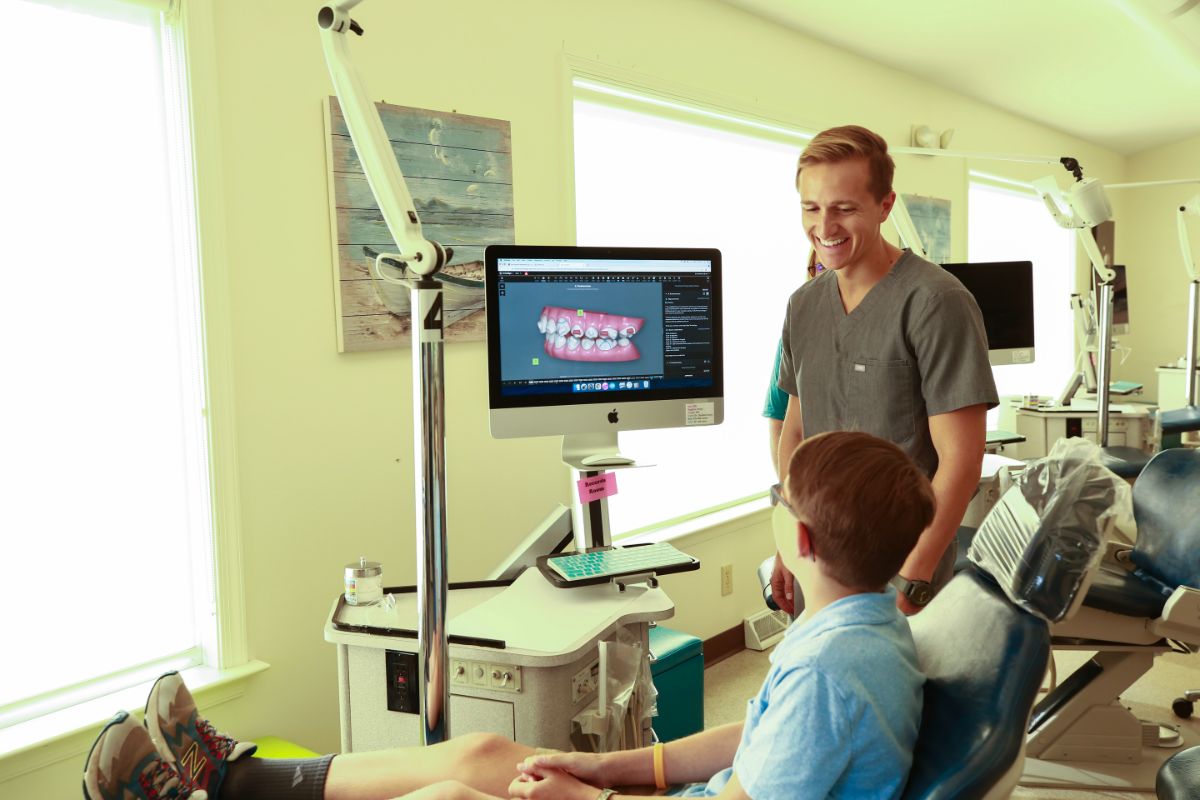
- Digital scans and photos of your teeth (no messy molds)
- A one-on-one exam with Dr. Pedersen
- A clear explanation of what he sees and what your options are
- A chance to ask any questions before you decide on next steps
At Andrew Pedersen Orthodontics, your first free consultation comes with no pressure and no obligation. You’ll leave with real answers, not a sales pitch. Treatment options may include metal braces, clear braces, or clear aligners depending on what fits your goals and lifestyle.
Ready to see your options? Schedule your free consult and let’s talk about your smile.

Frequently Asked Questions
How do I know if I need braces or clear aligners?
Both can correct crooked teeth, gaps, and many bite issues. Clear aligners work well for mild to moderate cases and are removable. Braces handle a wider range of complex movements. Dr. Pedersen will recommend the option that fits your goals and your smile.
At what age should my child see an orthodontist?
The American Association of Orthodontists recommends a first evaluation by age 7. Most kids won’t need treatment right away, but an early visit lets Dr. Pedersen catch developing issues while the jaw is still growing. Learn more on our children’s orthodontics page.
Can adults get orthodontic treatment?
Absolutely. Adults make up a growing share of orthodontic patients. Options like clear aligners and clear braces make treatment more discreet, and results look just as good at any age.
How long does orthodontic treatment take?
Most cases take 12 to 24 months, though shorter and longer plans exist. Dr. Pedersen will give you a personalized timeline based on your exam. Wearing your aligners or keeping visits on schedule helps treatment stay on track.
Still have questions? Book your visit with Andrew Pedersen Orthodontics and get real answers about your smile.