


Finding the right provider for your smile shouldn’t feel like guesswork. Maybe you’re researching clear aligners for yourself, or maybe you’re weighing braces options for your child. Either way, knowing the right 8 questions to ask when choosing an orthodontist can save you time and second-guessing later. The answers reveal everything from training and technology to patient experience.
Come prepared with questions when you visit any orthodontic office. Here’s what to ask and why each answer matters.
What Does It Mean to Choose the Right Orthodontist?
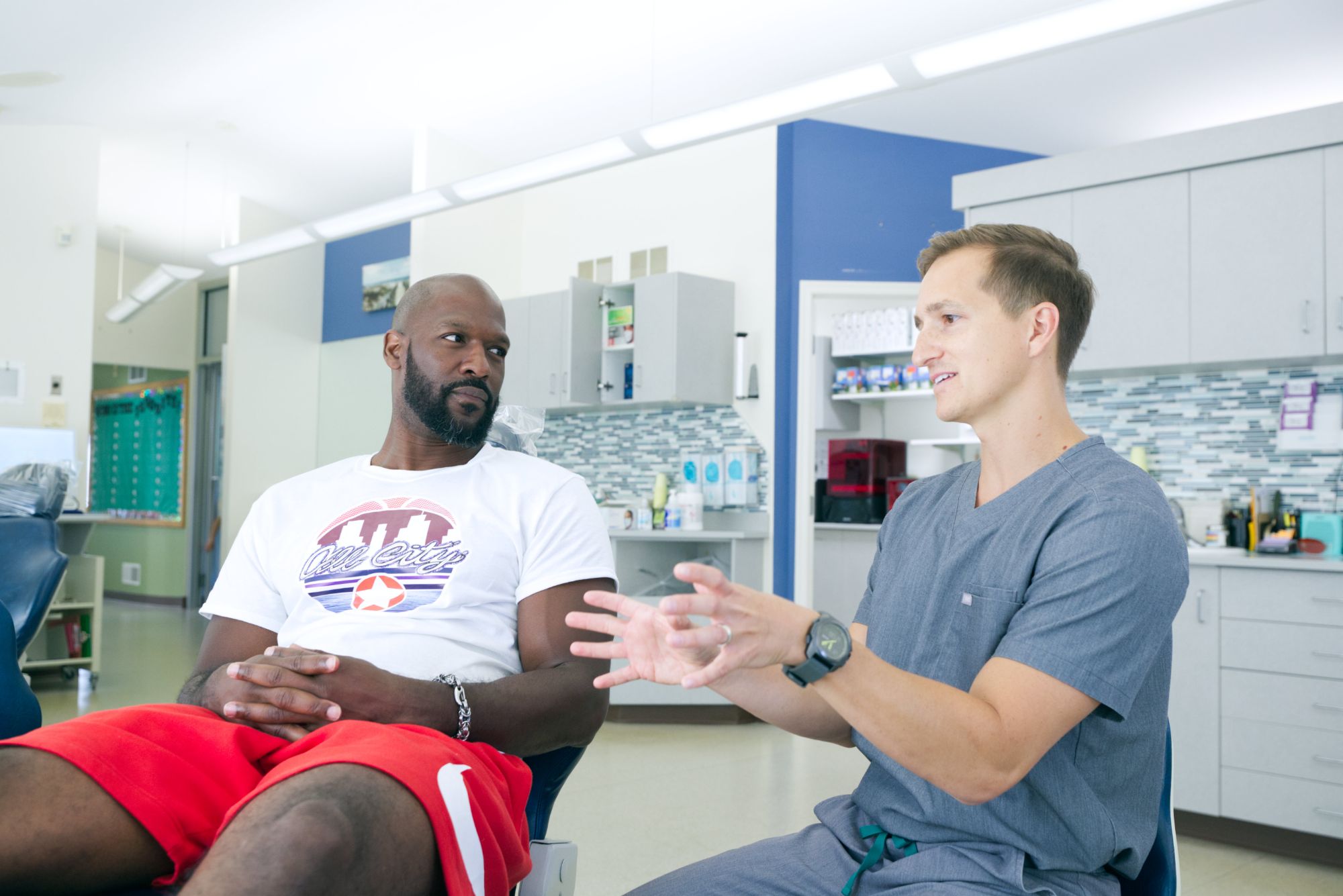
Choosing the right orthodontist means selecting a specialist who will guide you through 1-3 years of care that shapes your smile for life. An orthodontist is an ADA-recognized dental specialist who completes 2-3 additional years of residency training beyond dental school, focusing entirely on tooth movement, bite correction, and jaw alignment. General dentists do not complete this specialty training.
The right fit balances three things: clinical expertise, treatment options that match your lifestyle, and a patient experience that feels welcoming instead of stressful. Asking the right questions upfront prevents surprises around timeline and treatment approach later.
Dr. Andrew Pedersen is a board-certified Diplomate of the American Board of Orthodontics. That credential signals a voluntary, rigorous standard of care beyond basic licensing. When you know what to look for, picking a provider becomes a confident decision instead of a gamble.
How to Evaluate an Orthodontist: The 8 Questions Framework
Use this list on every consultation you attend across York County and beyond, whether you’re in York, Hanover, or New Freedom. The answers will show which practices truly invest in specialist training and patient care, and which fall short.
- Is the doctor a board-certified orthodontic specialist? Board certification through the American Board of Orthodontics is voluntary and goes beyond basic licensing. It shows ongoing commitment to the highest clinical standards.
- What treatment options do you offer? Look for a full menu, including metal braces, clear braces, and clear aligners like Invisalign. A specialist should recommend the right option for your case, not just the one they happen to carry.
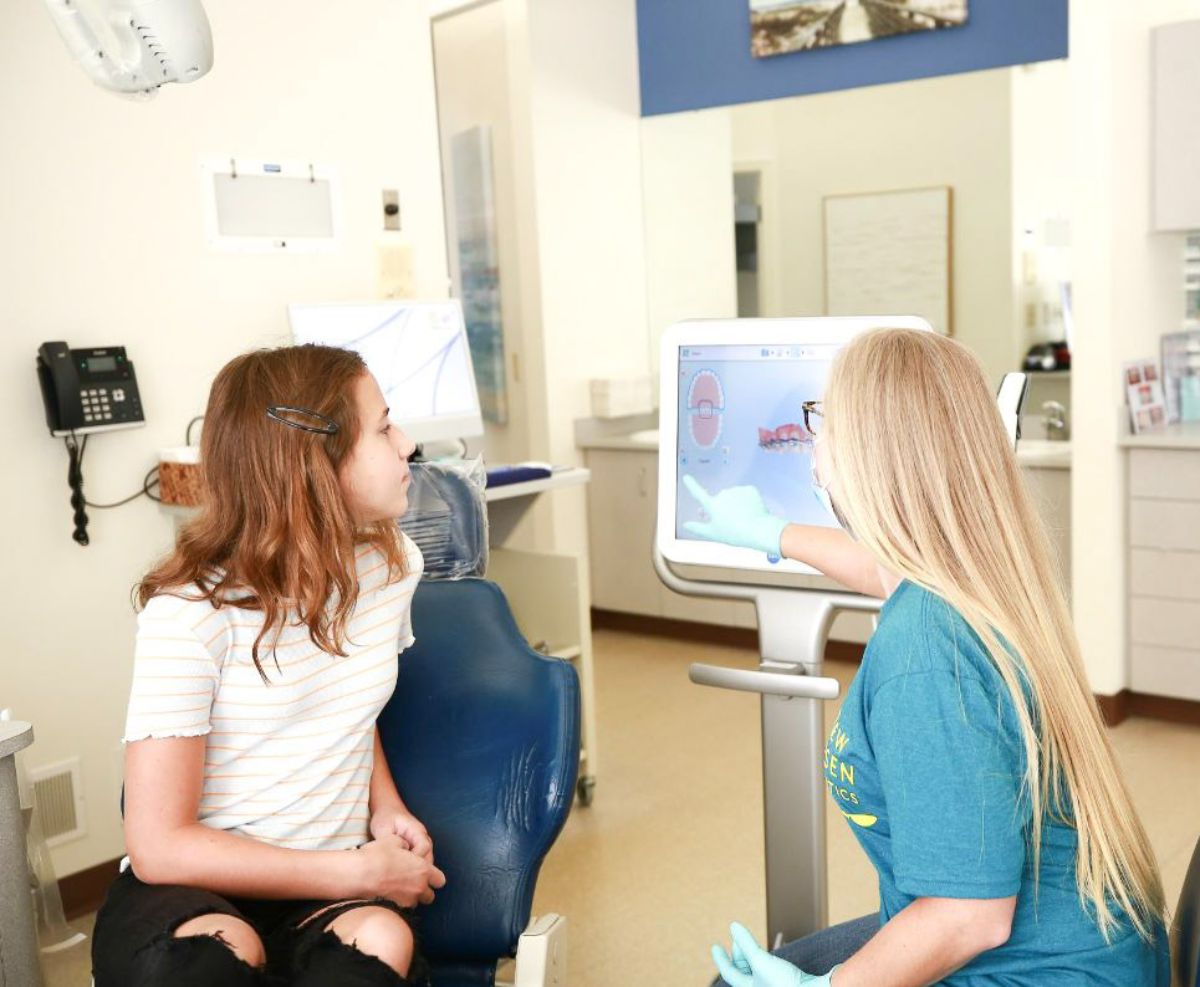
- What technology do you use? Modern offices use digital scans instead of goopy molds, along with digital photography and 3D imaging. This improves comfort, accuracy, and treatment planning.
- What will my first visit include? Ask what your first visit covers. A good consult includes an exam with the doctor, digital scans or photos, a clear explanation of your options, and time to ask questions.
- How often are follow-up visits, and how long is treatment? Most cases need visits every 4-8 weeks. Treatment length runs 12-24 months, though simpler or more involved cases vary.
- How do you handle orthodontic emergencies? A broken bracket or lost aligner shouldn’t leave you stranded. Ask about same-day or next-day availability.
- What age ranges do you treat? The best fit is a practice that treats children, teens, and adults. This signals broad experience across case types.
- Can I see patient reviews, testimonials, and before-and-after results? Real patient stories tell you what it’s actually like to be in the chair.
Benefits of Asking These Questions Before You Commit
Getting clear answers upfront protects you in ways that matter long after treatment begins. Here’s what you gain by asking each question:
- Confirms specialist training. You’ll know you’re working with someone who completed orthodontic residency, not a general dentist offering occasional orthodontics on the side. The difference shows up in case planning and results.
- Matches treatment to your lifestyle. If you travel often, clear aligners might fit better. If your teen plays contact sports, metal braces could be the stronger pick. Knowing the full menu helps you choose with confidence.
- Sets clear expectations for your first visit. You’ll know what to expect from the exam, the scans, and the conversation about next steps before you walk in.
- Spots modern technology. Digital scanners replace the old impression trays most people dread. More comfort for you. More accurate data for your provider.
- Clarifies visit frequency. Knowing how often you’ll need to come in helps you plan around work, school pickup, and family routines. No one wants to be caught off guard every six weeks.
- Builds real confidence in the provider. Transparent answers, patient testimonials, and a willingness to explain everything (not just the sales pitch) tell you a lot about how a practice operates.
Our free consult process was built around exactly these questions. You’ll meet Dr. Pedersen, tour the office, review your options, and leave with a clear plan. No pressure, no surprises.
Orthodontist vs. General Dentist: Key Differences
An orthodontist is a dental specialist with 2-3 years of ADA-accredited residency training focused exclusively on tooth movement, bite correction, and jaw alignment. A general dentist completes dental school but does not pursue this specialty residency. Both are important, but their roles are different.
Orthodontic residency programs are highly competitive and accept only top dental school graduates. Specialists work on alignment cases every day, which builds deep experience with complex situations, advanced appliances, and the latest aligner systems.
Here’s how the two roles compare at a glance:
| Factor | Orthodontist | General Dentist |
|---|---|---|
| Training after dental school | 2-3 years specialty residency | None required |
| Daily focus | Tooth movement, bite, jaw alignment | General oral health, fillings, cleanings |
| Case volume | Orthodontic cases exclusively | Occasional orthodontic cases |
| Treatment scope | All braces types, clear aligners, complex cases | Often limited aligner options |
| Board certification available | American Board of Orthodontics | American Board of General Dentistry |
Dr. Andrew Pedersen is a board-certified Diplomate of the American Board of Orthodontics, a credential earned through additional voluntary examination beyond residency. For alignment and bite work, the depth of specialist training matters.
Who Should Be Asking These Questions?
These 8 questions matter for anyone considering orthodontic care, but a few groups benefit most:
- Parents of children ages 7 and up. The American Association of Orthodontists recommends a first orthodontic screening around age 7, when early intervention can guide jaw growth and tooth positioning.
- Teens and their families. Comparing Invisalign Teen with clear or metal braces is easier when you know what to ask about compliance, aesthetics, and sports.
- Adults considering clear aligners or clear braces. It’s never too late to smile with confidence, and adult treatment is more common than ever.
- Patients switching providers mid-treatment. If you’ve moved or need a second opinion, the right questions help you find a smooth transition.
- Anyone unsure whether to see a dentist or a specialist. For alignment and bite issues, a board-certified orthodontist brings focused expertise.
Dr. Pedersen treats patients of all ages at both our York and New Freedom offices.
Frequently Asked Questions
At what age should my child first see an orthodontist?
The American Association of Orthodontists recommends a first orthodontic screening around age 7. At this age, Dr. Pedersen can spot early bite or spacing concerns while a child still has a mix of baby and adult teeth. Most kids won’t need treatment yet, but early visits help plan the right timing if care is needed later.
Is a free consultation really free, with no obligation?
Yes. Your first free consultation includes an exam with Dr. Pedersen, digital scans or photos as needed, a discussion of treatment options, and clear next steps. There’s no pressure to move forward, and you’ll leave with the information you need to decide.
How long does orthodontic treatment usually take?
Most orthodontic treatment takes 12 to 24 months. Simpler cases finish sooner, and more involved ones can run longer. Dr. Pedersen will give you a personalized time estimate during your free consult based on your specific alignment goals.
Can I do a virtual consultation before visiting in person?
Yes. Our virtual consult lets you share photos of your smile and get initial feedback from Dr. Pedersen before coming to the office. It’s a convenient way to start the process from home and decide if you’d like to schedule an in-person visit.
What happens if a bracket breaks or I lose an aligner?
Call our office right away. We handle orthodontic emergencies promptly and can usually get you in quickly to repair a bracket, replace a wire, or coordinate a new aligner. Our team walks you through what to do until your visit.
Ready to Ask These Questions in Person?
Choosing the right orthodontist is one of the most important smile decisions you and your family will make. Bring these 8 questions to your free consult at Andrew Pedersen Orthodontics and get the clear, honest answers you deserve.
Dr. Andrew Pedersen has been making you smile for 30+ years, and we’d love to meet you. Schedule your free consult at one of our two convenient offices:
- York Office: 1589 Carlisle Road, York, PA. Call (717) 764-3854.
- New Freedom Office: 180 Fairview Court, New Freedom, PA. Call (717) 235-0559.
Ready to take the next step? Book your free consult today and start building the smile you’ve always wanted with a team that genuinely cares about your experience from day one.